
Introduction
The topic of Mary Nightingale illness has become increasingly popular among internet users seeking information about the health and wellbeing of one of Britain’s most respected television journalists. As a familiar face on television screens for many years, Mary Nightingale has built a strong reputation for professionalism, credibility, and dedication to journalism. Because of her long-standing presence in the media industry, any rumors or discussions regarding her health naturally attract public attention.
In today’s digital age, searches about the health of celebrities, broadcasters, and public personalities are extremely common. People often become curious when a well-known individual appears different, Mary Nightingale Illness takes time away from public duties, or becomes the subject of online discussions. However, it is important to separate verified information from speculation and understand the broader context surrounding such searches.
This article explores the topic of Mary Nightingale illness in detail. It examines why so many people are searching for information on the subject, discusses the available facts, explores how health rumors spread online, and highlights the importance of respecting privacy while staying informed through credible information.
Who Is Mary Nightingale?
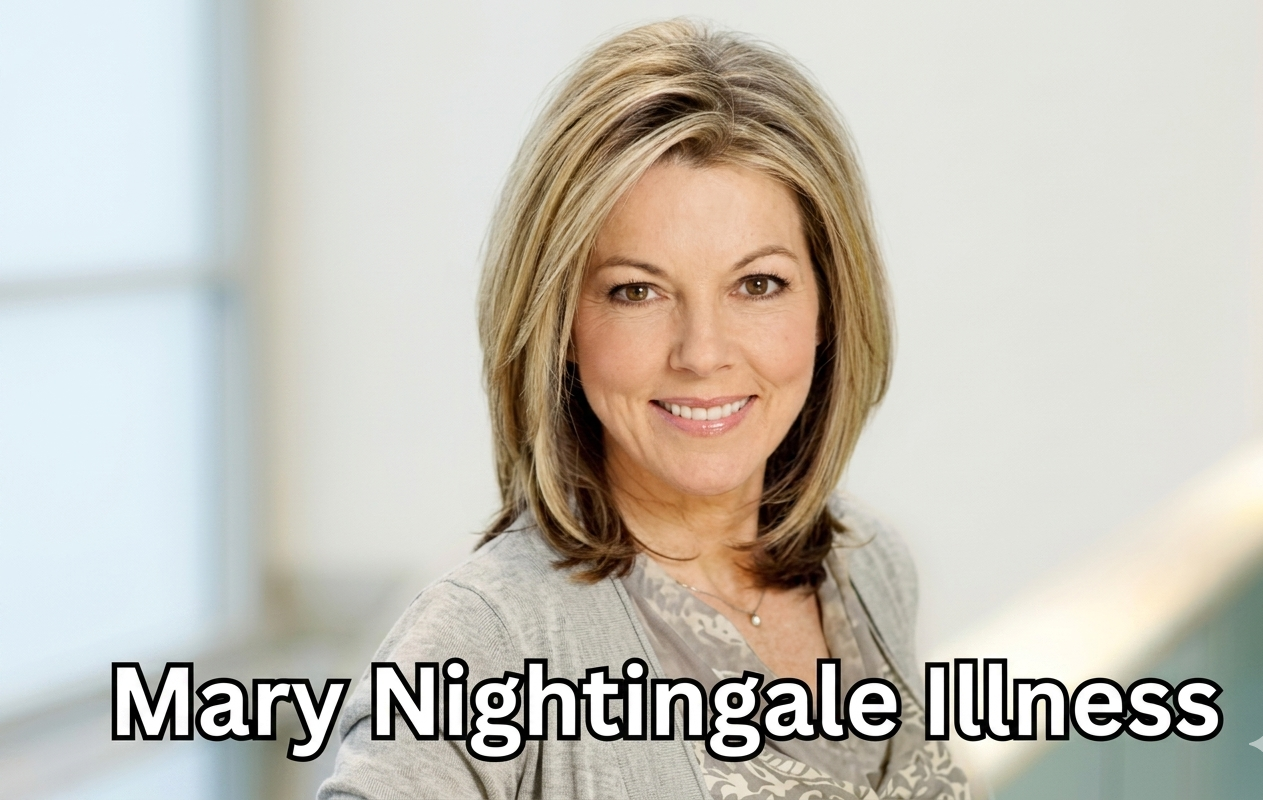
Mary Nightingale is a highly respected British journalist and television presenter known primarily for her work as a news anchor. Over the years, she has become one of the most recognizabl Mary Nightingale Illness e figures in British broadcasting. Her calm presentation style, journalistic integrity, and commitment to accurate reporting have earned her the trust of viewers across the United Kingdom.
Throughout her career, she has covered major national and international stories, delivering news with professionalism and clarity. Her ability to communicate complex events in a straightforward manner has contributed significantly to her popularity.
Unlike many public figures who frequently share details about their private lives, Mary Nightingale has generally maintained a professional image focused on journalism rather than personal publicity. This approach has earned respect from colleagues and audiences alike, but it has also contributed to public curiosity Mary Nightingale Illness whenever questions arise about her personal life or health.
Why Has Interest in Mary Nightingale Illness Increased?
The increasing number of searches related to Mary Nightingale illness can be attributed to several factors. One of the most significant reasons is her long-term visibility in the public eye. People who have watched her present the news for many years naturally feel a sense of familiarity and connection.
When viewers notice changes in a presenter’s appearance, schedule, or television presence, they often become curious. In many cases, this curiosity stems from genuine concern. Audiences who admire a public figure may simply want reassurance that everything is well.
Another factor is the influence of online media. Search engines frequently identify trending topics based on public interest. As more people search for a particular subject, Mary Nightingale Illness others become curious and conduct similar searches, creating a cycle of increasing attention.
Social media also plays a major role. Discussions, comments, and observations shared online can quickly gain momentum, leading more people to investigate the topic. Unfortunately, not all information shared online is accurate, making it essential to distinguish between confirmed facts and speculation.
Is There Any Confirmed Information About Mary Nightingale Illness?
One of the most important questions people ask when searching for Mary Nightingale illness is whether there is any confirmed information regarding a specific health condition.
Publicly available information does not indicate that Mary Nightingale has disclosed any serious illness. While occasional rumors and online discussions have emerged, there has Mary Nightingale Illness been no widely confirmed report establishing a major health issue.
This distinction is extremely important. In the modern media environment, assumptions can easily be mistaken for facts. A person’s appearance, temporary absence from work, or natural aging process can lead to speculation that may have little or no basis in reality.
Without direct confirmation from Mary Nightingale herself or reliable official sources, claims regarding specific illnesses should be treated cautiously. Responsible readers understand that speculation is not the same as verified information.
The Nature of Health Rumors in the Digital Age
The discussion surrounding Mary Nightingale illness reflects a broader phenomenon affecting many public figures. Health rumors have become increasingly common in the age of social media and instant communication.
A single observation can quickly become the foundation for widespread speculation. Someone may comment on a photograph, a television appearance, or a perceived change in behavior. Other users then share these observations, often adding their own interpretations.
As these discussions spread, the original observation may become exaggerated or distorted. Before long, rumors can appear credible simply because they have been repeated many times.
This process highlights one of the challenges of modern information consumption. Popularity does not equal accuracy. Just because a claim is widely discussed does not mean it is true.
The topic of Mary Nightingale illness serves as an example of why critical thinking is essential when evaluating information found online.
Public Interest in the Health of Television Personalities
Television presenters occupy a unique position in public life. Unlike actors who portray fictional characters, news presenters appear as themselves. They enter viewers’ homes daily, creating a sense of familiarity that can last for decades.
As a result, audiences often develop strong emotional connections with trusted broadcasters. They may feel as though they know the presenter personally, even though their relationship exists entirely through television.
This sense of familiarity explains why people become concerned when a presenter is absent or appears different. Viewers may genuinely care about the wellbeing of someone they have watched for many years.
In the case of Mary Nightingale illness, much of the public interest likely stems from this connection. People respect her work and want to know whether she is healthy and continuing to thrive in her professional career.
The Difference Between Curiosity and Speculation
Curiosity about public figures is natural. However, there is an important difference between seeking information and engaging in speculation.
Seeking information involves looking for verified facts from trustworthy sources. Speculation occurs when assumptions are made without evidence.
The internet often blurs this distinction. Readers may encounter headlines or social media posts that imply a serious health condition without providing credible proof. These claims can spread quickly, especially when they involve well-known personalities.
When discussing Mary Nightingale illness, it is essential to focus on what is actually known rather than what has been guessed or assumed. Respectful curiosity should never become invasive speculation.
Mary Nightingale’s Long and Successful Career
One reason searches related to Mary Nightingale illness generate so much attention is her impressive career history. Longevity in television journalism requires dedication, resilience, and adaptability.
Broadcast journalism is a demanding profession. News presenters must work under pressure, adapt to rapidly changing situations, and maintain composure while covering major events. The role often involves long hours, extensive preparation, and constant public scrutiny.
Mary Nightingale’s ability to remain a respected figure in the industry for so many years demonstrates remarkable professional strength. Her career serves as an example of consistency and commitment in an increasingly competitive media landscape.
Because she has been a trusted presence for such a long period, audiences naturally take an interest in her wellbeing and continued success.
How Aging Influences Public Perception
Another factor contributing to discussions about Mary Nightingale illness is society’s tendency to associate physical changes with health concerns.
As individuals age, their appearance naturally changes. This process affects everyone, including public figures. However, because television presenters are seen regularly, even small changes may attract attention.
Viewers sometimes interpret signs of aging as evidence of illness. Changes in facial features, energy levels, or appearance may simply reflect the natural aging process rather than any medical condition.
Unfortunately, this misunderstanding can fuel unnecessary speculation. Recognizing the difference between normal aging and actual health issues is important when discussing public personalities.
For experienced broadcasters like Mary Nightingale, decades of visibility mean that audiences notice changes that might otherwise go unnoticed in everyday life.
The Role of Media Coverage in Health Discussions
The media plays a significant role in shaping public perceptions about the health of celebrities and public figures. Responsible journalism focuses on verified information and avoids spreading unconfirmed claims. However, not all media outlets follow the same standards.
In some cases, websites may publish sensational headlines designed to attract clicks and increase traffic. These headlines often imply serious developments without providing substantial evidence. Readers who only scan headlines may develop inaccurate impressions about a person’s health.
The discussion surrounding Mary Nightingale illness highlights the importance of media literacy. Consumers of information should evaluate sources carefully, consider the credibility of publications, and avoid drawing conclusions based solely on rumors or speculation.
Trusted news organizations generally verify information before publication and respect the privacy of individuals. This approach helps maintain accuracy and protects public figures from unnecessary misinformation.
Privacy and Personal Health Matters
Health is one of the most private aspects of a person’s life. Whether someone is a public figure or a private citizen, they have the right to decide how much information they wish to share about their medical circumstances.
Public personalities often face pressure to disclose personal details because of public interest. However, curiosity from the audience does not eliminate an individual’s right to privacy.
Mary Nightingale has consistently maintained a professional boundary between her work and personal life. This approach has allowed her to focus on journalism rather than celebrity culture. It also means that many aspects of her private life remain exactly that—private.
When discussing topics such as Mary Nightingale illness, it is important to respect this boundary. Unless information has been publicly confirmed, assumptions about someone’s health should be avoided.
Respecting privacy contributes to a healthier relationship between public figures and their audiences.
The Psychological Effects of Public Scrutiny
Being a public figure comes with unique challenges. Constant visibility means that appearance, behavior, and personal circumstances are often analyzed by large audiences.
For television presenters, this scrutiny can be particularly intense. News anchors appear regularly on screen, making even minor changes highly noticeable to viewers.
Speculation about health can create additional pressure. Public figures may feel compelled to respond to rumors, even when the rumors have no factual basis. This environment can contribute to stress and anxiety.
The conversation surrounding Mary Nightingale illness serves as a reminder that public personalities are human beings. Behind the television screen are individuals who experience the same emotions, concerns, and challenges as everyone else.
Empathy should therefore play a central role in how audiences discuss personal matters involving public figures.
Why Viewers Feel Connected to Mary Nightingale
One reason the topic of Mary Nightingale illness attracts attention is the unique bond viewers develop with familiar broadcasters.
Trust is a crucial component of television journalism. Over the years, audiences come to rely on presenters who consistently deliver accurate and balanced reporting. This trust often creates a sense of familiarity.
Viewers who have watched Mary Nightingale throughout her career may feel that she is a reassuring presence during important news events. Her professionalism and reliability contribute to this connection.
When people feel connected to a public figure, concern about their wellbeing becomes understandable. However, that concern should always be balanced with respect for personal boundaries and factual accuracy.
The strong public interest in Mary Nightingale’s health reflects the respect and admiration many viewers have developed over the years.
Social Media and the Spread of Misinformation
The rise of social media has transformed how information spreads. While these platforms allow rapid communication and access to news, they also create opportunities for misinformation to circulate.
A single post can be shared thousands of times within hours. As information spreads, details may become distorted, exaggerated, or taken out of context.
Health-related rumors are particularly susceptible to this process. A photograph, brief video clip, or casual observation can become the basis for widespread speculation.
The topic of Mary Nightingale illness demonstrates how quickly discussions can grow online, even in the absence of confirmed information. People often repeat claims without verifying their accuracy, contributing to confusion.
To navigate this environment effectively, readers should prioritize reliable sources, verify information independently, and remain cautious when encountering sensational claims.
Understanding the Public Fascination with Celebrity Health
Interest in the health of public figures is not a new phenomenon. For decades, audiences have followed developments involving actors, musicians, politicians, athletes, and journalists.
Several psychological factors contribute to this fascination. People often admire successful individuals and become emotionally invested in their lives. Others may relate to shared experiences involving health, aging, or personal challenges.
In some cases, discussions about a celebrity’s health can also raise awareness about important medical issues. When public figures choose to share their experiences, they may help educate audiences and encourage positive conversations about health.
However, there is a significant difference between discussing confirmed health information and speculating about unverified conditions. Responsible engagement requires understanding this distinction.
The interest surrounding Mary Nightingale illness reflects broader societal patterns regarding public curiosity and media consumption.
Professional Longevity and Public Respect
Mary Nightingale’s enduring career is one of the reasons why discussions about her wellbeing attract attention. Remaining relevant and respected in broadcasting for decades is a significant achievement.
The media industry has undergone tremendous changes during her career. Technological advancements, evolving audience expectations, and the rise of digital news have transformed the landscape of journalism.
Despite these changes, Mary Nightingale has maintained her position as a trusted broadcaster. Her ability to adapt while preserving journalistic standards has contributed to her lasting success.
Professional longevity often increases public interest in a person’s life because audiences have observed their journey over many years. In Mary Nightingale’s case, this long-term visibility has created a strong connection with viewers.
This connection helps explain why searches related to Mary Nightingale illness continue to appear online.
The Importance of Verifying Information
One of the most valuable lessons that can be learned from discussions surrounding Mary Nightingale illness is the importance of verification.
Before accepting any claim, readers should consider several questions. Is the information supported by credible evidence? Has it been reported by reliable sources? Is there direct confirmation from the individual involved?
These questions help distinguish fact from speculation.
In the digital era, information travels faster than ever before. Unfortunately, misinformation often travels just as quickly. Developing strong critical thinking skills is essential for navigating this environment responsibly.
Readers who verify information before sharing it contribute to a more informed and trustworthy online community.
Respecting Public Figures as Individuals
Although public figures occupy visible positions in society, they remain individuals with personal lives, families, and private experiences.
The constant demand for information can sometimes lead audiences to forget this reality. Discussions about health, relationships, and personal matters may become intrusive if boundaries are not respected.
Mary Nightingale’s career has largely focused on delivering news rather than generating personal publicity. This professional approach deserves recognition and respect.
When considering topics such as Mary Nightingale illness, audiences should remember that health information is deeply personal. Respectful discussion should always take precedence over speculation.
Treating public figures with the same consideration we would extend to friends, colleagues, or family members helps create a healthier media culture.
What the Popularity of the Search Term Reveals
The popularity of the keyword Mary Nightingale illness reveals several interesting aspects of modern society.
It demonstrates how strongly audiences connect with familiar media personalities. It highlights the influence of search engines and social media on public conversations. It also illustrates the growing demand for information about the personal lives of public figures.
At the same time, it underscores the challenges associated with misinformation. Increased interest in a topic does not necessarily mean that substantial evidence exists.
The widespread search activity surrounding Mary Nightingale illness reflects curiosity, concern, and admiration. However, it also serves as a reminder that popularity should never be mistaken for proof.
Understanding this distinction is essential for responsible information consumption.
Looking Beyond Rumors
While health-related rumors often attract attention, they should not overshadow a person’s accomplishments and contributions.
Mary Nightingale’s career is defined by decades of professional journalism, trusted reporting, and dedication to informing the public. These achievements represent her true legacy.
Focusing exclusively on unverified health discussions risks overlooking the significant impact she has had within the broadcasting industry. Her work has helped shape public understanding of important events and has earned widespread respect among viewers and colleagues alike.
Rather than concentrating on speculation, it is more meaningful to recognize the qualities that have made her a respected figure in journalism.
Conclusion
The subject of Mary Nightingale illness continues to generate interest because Mary Nightingale remains one of the most recognized and respected journalists in British broadcasting. Her long career, trusted reputation, and regular presence on television have naturally led audiences to take an interest in her wellbeing.
However, it is essential to separate confirmed information from online speculation. Publicly available information does not indicate any widely confirmed serious illness, and many discussions surrounding the topic appear to stem from rumors rather than verified facts.
The broader conversation highlights the importance of critical thinking, responsible media consumption, and respect for personal privacy. In an era where information spreads rapidly, readers must evaluate claims carefully and rely on credible sources rather than assumptions.
Ultimately, Mary Nightingale’s enduring legacy is not defined by rumors about her health but by her professionalism, integrity, and contribution to journalism. Her decades of service as a trusted broadcaster continue to earn admiration from viewers who appreciate her commitment to delivering accurate and reliable news.
As interest in topics such as Mary Nightingale illness persists, the most responsible approach is to focus on verified information, respect individual privacy, and recognize the accomplishments that have made Mary Nightingale one of the most respected figures in modern broadcasting.