
Introduction
The Belfast Newsletter is one of the most recognized and historically significant newspapers associated with Northern Ireland. With roots stretching back centuries, it has played an important role in reporting local, national, and international news while serving as a trusted source of information for generations of readers. Over time, the Belfast Newsletter has evolved from a traditional print publication into a modern multimedia news platform capable of reaching audiences both locally and globally.
In an era where digital media dominates information consumption, understanding the Belfast Newsletter offers valuable insight into how long-standing newspapers adapt to changing technologies, reader expectations, and journalistic standards. The publication represents more than just a news source. It reflects social change, political developments, economic transformations, and community life throughout Northern Ireland.
This comprehensive guide explores the Belfast Newsletter in detail, covering its history, editorial focus, significance in journalism, digital transformation, audience engagement, impact on local communities, and future prospects.
The Origins of the Belfast Newsletter
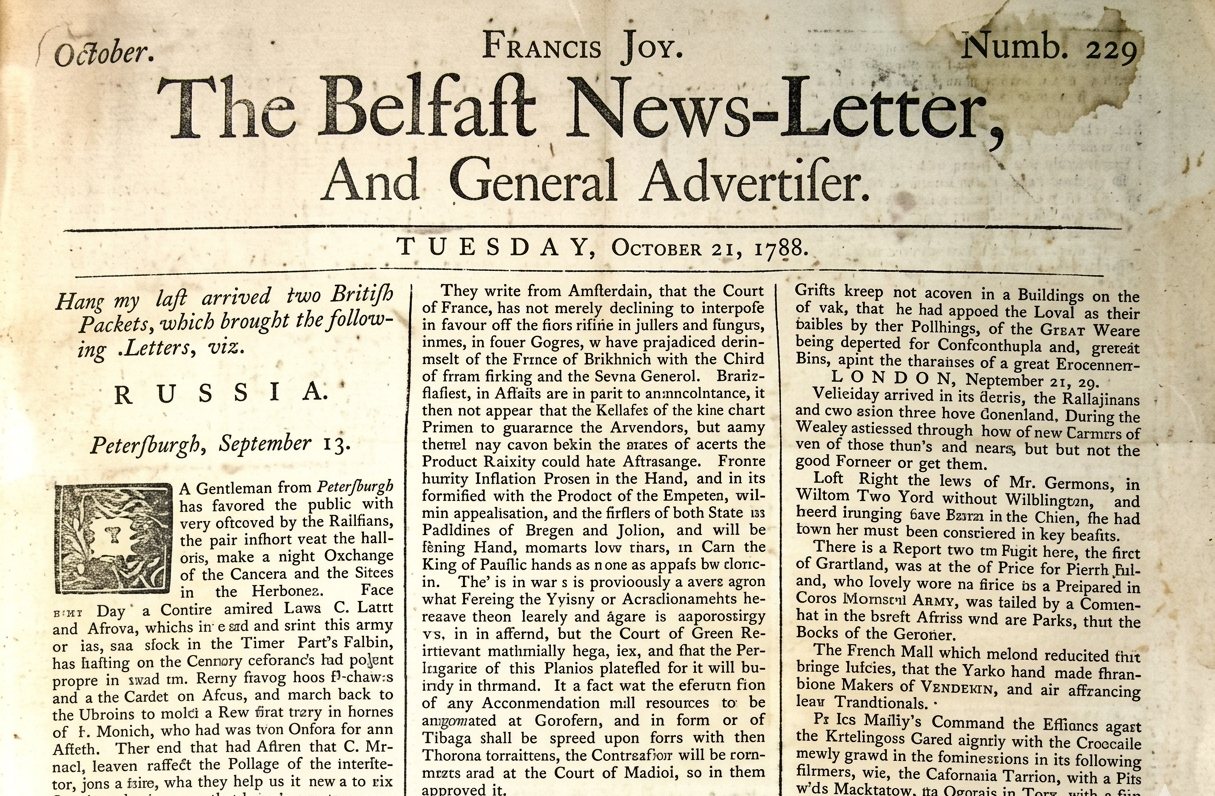
The story of the Belfast Newsletter begins in the eighteenth century. During this period, newspapers served as essential channels for communication, trade information, government announcements, and public discussion. The Belfast Newsletter emerged as one of the earliest newspapers in Ireland and quickly became a central source of information for readers throughout the region.
In its earliest years, the newspaper focused on reporting commercial activities, shipping movements, political events, and local affairs. Businesses relied on newspapers to advertise products and services, while citizens depended on them for updates on matters affecting daily life.
The publication grew alongside Belfast itself. As the city expanded into a major industrial and commercial center, the newspaper expanded its coverage to reflect the changing interests and needs of its readership. The growth of trade, manufacturing, education, and politics all contributed to the increasing importance of the Belfast Newsletter.
The newspaper became a historical record of major events, preserving information that continues to be valuable for researchers, historians, and genealogists today.
Historical Significance of the Belfast Newsletter
One of the most remarkable aspects of the Belfast Newsletter is its historical significance. Few newspapers can claim such a long and continuous connection to a specific region and its people.
Throughout different eras, the publication documented major developments that shaped Northern Ireland and the wider United Kingdom. These included political reforms, industrial growth, economic challenges, wars, social movements, and technological advancements.
The newspaper’s archives provide a unique window into the past. Readers can trace changes in society by examining articles, advertisements, editorials, and public notices published over many decades.
For historians, these archives serve as primary sources that help explain how people lived, worked, communicated, and understood the world around them. Family researchers often use historical editions to locate information about ancestors, businesses, marriages, births, and deaths.
As a result, the Belfast Newsletter holds value not only as a contemporary news organization but also as a historical institution.
The Role of Local Journalism
Local journalism remains one of the most important functions of the Belfast Newsletter. While international and national news receive significant attention, local reporting provides information directly relevant to readers’ daily lives.
The newspaper covers city councils, community projects, education, transportation, healthcare, housing, and local business developments. This type of reporting helps citizens stay informed about decisions and events that affect their communities.
Local journalism also promotes accountability. By reporting on government activities, public spending, and community concerns, newspapers encourage transparency and informed public discussion.
The Belfast Newsletter contributes to civic engagement by highlighting local issues and providing a platform for public voices. Through interviews, opinion pieces, and community reporting, readers gain a deeper understanding of the challenges and opportunities facing their region.
In many cases, local journalism serves as a bridge between public institutions and citizens, helping to strengthen democratic participation.
Coverage Areas of the Belfast Newsletter
The Belfast Newsletter covers a broad range of topics designed to meet the interests of diverse readers.
Politics
Political coverage remains a major component of the publication. Northern Ireland’s unique political landscape creates ongoing interest in government decisions, elections, policy developments, and constitutional issues.
Readers rely on the newspaper for analysis, interviews, commentary, and updates regarding political events that influence regional and national affairs.
Business and Economy
Economic reporting is another important area. The Belfast Newsletter covers business growth, investment opportunities, employment trends, entrepreneurship, and market developments.
Business leaders, investors, and professionals often turn to the publication for insights into economic conditions and industry trends affecting Northern Ireland.
Community News
Community reporting focuses on local achievements, events, cultural initiatives, educational developments, and charitable activities.
These stories help strengthen community identity while celebrating the accomplishments of individuals and organizations.
Sports Coverage
Sports journalism remains highly popular among readers. Coverage typically includes football, rugby, golf, and other sporting events relevant to local and national audiences.
Match reports, player interviews, analysis, and event previews contribute to comprehensive sports reporting.
Lifestyle and Entertainment
Lifestyle sections provide content related to health, travel, food, culture, and entertainment. These features offer readers practical information and inspiration for everyday living.
The combination of hard news and lifestyle content creates a balanced publication capable of appealing to a wide audience.
Editorial Values and Journalistic Standards
Trust is one of the most valuable assets for any news organization. The Belfast Newsletter has maintained its relevance by adhering to established journalistic principles.
Accuracy forms the foundation of credible journalism. Reporters and editors work to verify information before publication, reducing the risk of misinformation and maintaining reader confidence.
Fairness is another important principle. Balanced reporting seeks to present multiple perspectives on significant issues, enabling readers to form informed opinions.
Accountability also plays a critical role. Responsible journalism requires transparency regarding sources, corrections, and editorial decisions.
The Belfast Newsletter’s commitment to these values contributes to its reputation as a respected news source within Northern Ireland and beyond.
The Digital Transformation of the Belfast Newsletter
Like many newspapers worldwide, the Belfast Newsletter has undergone significant digital transformation.
The rise of the internet changed how people access information. Readers increasingly expect immediate updates, mobile accessibility, multimedia content, and interactive experiences.
To meet these expectations, the newspaper expanded beyond print publishing and developed a comprehensive online presence.
Digital platforms allow the publication to deliver news quickly while reaching audiences regardless of geographic location. Former residents of Northern Ireland, international readers, and global researchers can now access content that was once available primarily through physical newspapers.
Digital transformation has enabled faster reporting, broader distribution, and greater audience engagement.
Online News Consumption and Reader Behavior
Modern readers consume news differently than previous generations. Smartphones, tablets, and laptops have become primary tools for accessing information.
The Belfast Newsletter has adapted to these changes by offering digital content optimized for various devices. Readers can browse articles, view multimedia features, and receive updates throughout the day.
Online news consumption is characterized by speed and convenience. Many users prefer quick access to breaking stories while maintaining the option to explore in-depth reporting when desired.
Search engines, social media platforms, and mobile notifications also influence how readers discover content. As a result, newspapers must create content that is both informative and accessible.
Understanding reader behavior has become essential for maintaining audience growth and engagement.
The Importance of Search Engine Optimization
Search engine optimization plays a major role in the visibility of digital news content. Newspapers compete with countless online sources for reader attention.
Effective SEO helps articles appear in search results when users seek information on specific topics. This increases traffic and expands audience reach.
For publications such as the Belfast Newsletter, SEO involves creating relevant headlines, informative content, user-friendly website structures, and timely reporting.
Successful optimization allows local stories to reach broader audiences while ensuring that readers can easily find trustworthy information.
As digital competition increases, SEO continues to be an important component of modern journalism.
Social Media and Audience Engagement
Social media has transformed how newspapers interact with readers.
The Belfast Newsletter uses digital channels to share stories, promote discussions, and provide updates on breaking news. Social platforms enable immediate communication between journalists and audiences.
Readers can comment on articles, share content with friends, and participate in conversations about current events. This level of interaction was largely impossible during the era of print-only publishing.
Audience engagement also helps news organizations understand reader interests and concerns. Feedback can guide editorial decisions while strengthening relationships with the community.
Although social media presents challenges related to misinformation and online polarization, it remains an important tool for modern news distribution.
Challenges Facing Traditional Newspapers
The newspaper industry faces numerous challenges in the digital age.
Advertising revenue has shifted significantly toward online platforms. Traditional print advertising no longer provides the same level of financial support it once did.
Competition from digital publishers, social media platforms, blogs, and video content creators has intensified. Readers have access to more information sources than ever before.
Changing consumer habits also affect newspaper subscriptions and readership patterns. Younger audiences often consume news through mobile devices rather than printed publications.
The Belfast Newsletter, like many established newspapers, must continually adapt to remain competitive and financially sustainable.
Innovation, audience engagement, and high-quality journalism are essential for navigating these challenges.
The Value of Trusted News Sources
In today’s information-rich environment, trust has become increasingly important.
Misinformation, rumors, and unverified content can spread rapidly online. Readers often struggle to distinguish between reliable reporting and inaccurate information.
Trusted newspapers provide a valuable service by verifying facts, consulting credible sources, and maintaining editorial oversight.
The Belfast Newsletter contributes to informed public discourse by offering professionally produced journalism. Readers seeking accurate information often turn to established news organizations because of their commitment to verification and accountability.
This role becomes even more important during major events, elections, emergencies, and public policy debates.
Community Impact and Public Awareness
The Belfast Newsletter plays a significant role in raising public awareness about important issues.
Investigative reporting can draw attention to problems requiring action from government agencies, businesses, or community organizations. Public awareness often leads to discussion, policy changes, and improvements within society.
Community-focused journalism also highlights positive developments, inspiring civic pride and encouraging participation in local initiatives.
By covering educational achievements, charitable efforts, cultural events, and community success stories, the newspaper contributes to a stronger sense of local identity.
This impact extends beyond information sharing and helps support social cohesion.
The Future of the Belfast Newsletter
The future of the Belfast Newsletter will likely be shaped by continued technological innovation and changing audience expectations.
Artificial intelligence, data journalism, multimedia storytelling, and personalized content experiences are becoming increasingly important within the media industry.
Readers expect news organizations to provide fast updates while maintaining accuracy and depth. Balancing these priorities will remain a key challenge.
Subscription models, digital memberships, and premium content strategies may continue to evolve as newspapers seek sustainable revenue sources.
Despite industry changes, the fundamental mission of journalism remains consistent. Readers continue to value trustworthy information, thoughtful analysis, and meaningful community reporting.
The Belfast Newsletter’s long history demonstrates resilience and adaptability, qualities that will be important in the years ahead.
Why the Belfast Newsletter Remains Relevant
Several factors explain why the Belfast Newsletter continues to maintain relevance in a rapidly changing media landscape.
Its historical legacy creates a strong foundation of credibility and recognition. Readers appreciate institutions that have demonstrated commitment to journalism over extended periods.
Its focus on local issues provides unique value that national and international outlets often cannot replicate. Community reporting remains essential for informed citizenship.
Its willingness to embrace digital transformation ensures accessibility for modern audiences. Readers can engage with content through multiple platforms and devices.
Its dedication to journalistic standards helps distinguish it from less reliable information sources.
Together, these strengths position the Belfast Newsletter as an important part of Northern Ireland’s media environment.
Conclusion
The Belfast Newsletter stands as one of the most significant newspapers associated with Northern Ireland, combining historical importance with modern journalistic practices. From its early origins as a regional publication to its current role as a digital news platform, the newspaper has consistently adapted to changing circumstances while maintaining its core mission of informing the public.
Its contributions extend far beyond daily news reporting. The publication preserves historical records, supports community engagement, promotes accountability, and provides readers with trusted information in an increasingly complex media environment.
As journalism continues to evolve, the Belfast Newsletter remains an example of how traditional newspapers can embrace innovation while preserving the values that define quality reporting. Its commitment to accuracy, relevance, and public service ensures that it continues to play a meaningful role in the lives of readers today and will likely remain an influential voice for years to come.